How to Write Email Subject Lines That Demand Attention
Writing a great subject line is one of the most deceptively challenging parts of email marketing. It has to be sharp enough to stop the scroll, relevant enough to earn attention, and honest enough to maintain trust with your audience—all while supporting the goals of your broader marketing strategy.
That’s a lot to ask of a tiny sentence.
But when you get it right, you give your message a real shot at landing. A thoughtful subject line can boost email open rates and move more people toward action. And unlike the algorithmic mysteries on social media, email gives you something precious: control. You can test, refine, and keep improving, one send at a time.
But before we dive into the tactics, let’s start with a truth that might take some pressure off.
The “Secret” to Great Email Subject Lines
What’s the secret? There is no secret. There’s no magic formula for a great subject line. No perfect combination of power words, emojis, FOMO, and personalized call-outs that works in every situation. What truly matters is understanding your audience and the context in which they’re opening your emails.
Many marketers—especially in the nonprofit world—get tripped up because we want to do everything at once. We want the subject line to be clever, emotional, urgent, informative, and brand-aligned, all while fitting neatly inside a mobile inbox preview.
But when your subject line tries to be five things, it usually succeeds at none of them. Clarity collapses. Curiosity muddles. Your subscribers scroll right past.
The real “secret,” if there is one, is recognizing that your subject line is a living part of your email campaigns—not a static piece of copy. What performs well for a fundraising appeal may fall flat for an event reminder. What resonates with major donors may not work for volunteers or new subscribers. Your audience, your offer, your timing, and your goals all shape what will lead to higher open rates.
So instead of hunting for a universal rule, embrace the idea that writing effective subject lines is part craft, part experimentation. Your job is to pay attention, learn from your results, and continually align your subject lines with what your readers actually want—not just what sounds catchy.
Once you let go of the pressure to get it “perfect,” you’ll find it’s much easier to write the kind of subject lines that earn the click.
What Makes an Email Subject Line Effective?
Subject lines work when they speak to something your reader cares about at that moment. They’re small, but they’re strategic. An effective subject line aligns with your recipients’ interests; it should feel relevant to the person on the other side of the inbox.
Here’s a breakdown of the core elements that tend to make subject lines more compelling and consistently improve email open rates.
Relevance
Half the battle is just knowing your audience. Relevance grows out of understanding your subscribers—not just their demographics, but their motivations. A donor who gives monthly might respond to a story-driven subject line, while a new subscriber may need a more straightforward value proposition. If your audience signed up for impact stories, program updates, or action alerts, make sure your subject line tells them exactly what they’re getting. The more aligned your subject line is with where someone is in their relationship to your organization, the more likely they are to open.
Timeliness
Timing can make or break your emails. Tying your email to a deadline, a current event, or even a moment in your organization’s calendar can make a big difference. For instance, when we partnered with Metropolitan Ministries, a faith-based nonprofit in Tampa Bay, our email campaigns focused on concrete, seasonally relevant problems, such as school supply shortages in August or Christmas hams in December. Timely messaging like that speaks to top-of-mind issues for your subscribers and lends your appeals a natural sense of urgency.
Which leads to our next topic…
Urgency
Urgency is very compelling when it’s used thoughtfully. It should be rooted in something tangible: a match deadline, low inventory for an event, or a closing window for impact.
The key is moderation. When every email sounds urgent, none of them are. You don’t want your emails to feel manipulative or overhyped. Save urgency for moments when you need immediate action, and your audience will be far more likely to trust you and respond.
Take a look at these email subject line examples:
- Event Ticket Price Increases January 1st
- 3 Days Left for Lowest-Priced Event Tickets
Which would you choose? Well, after A/B testing them against each other, we discovered that the winner was subject line A—the subject line that took me no time to write and the one my instincts pointed me to.
Personalization
Personalization doesn’t just mean inserting a first name into your subject line (though that can be very effective when you use it sparingly). It’s about signaling to your reader that you understand them and what they’re looking for from your organization. Maybe they attended an event, clicked on a previous appeal, or downloaded a resource. Personalized subject lines use that information subtly to make the message feel tailored.
Nonprofits often have rich data sitting in their CRM. When used strategically, personalization becomes one of the most powerful tools in your subject line toolkit.
Name Recognition
Your organization’s name carries weight, especially if you’re well-known in your field or if your subscribers have had a positive interaction with you in the past. Sometimes, leading with your nonprofit’s name or a recognizable program can boost trust and open rates.
You can also leverage internal name recognition. Including a familiar sender (like your CEO or a key program leader) can create a sense of authenticity and human connection, making the subject line feel more personal and less like mass email marketing.
Compelling Offers
A compelling offer doesn’t always mean a discount or perk—especially in nonprofit work. It might be early access to a resource, a limited-time chance to donate during a matching period, or an opportunity to join a movement.
Whatever it is, the trick is to make the value immediately clear. If someone opens your email, what do they gain? The subject line doesn’t need to give everything away, but it should make the benefit enticing enough to merit a click.
Message Length
In most inboxes, short subject lines are better. Long subject lines get cut off, especially on mobile devices. That doesn’t mean every subject line has to be ultra-brief, but you should aim for clarity and punch over complexity. Think of the subject line as a signpost, not a synopsis. Give readers just enough to understand the point—and enough room for your preview text to reinforce it.
Catchy Hooks
Catchy email subject lines can be awesome, but not always! I hate to admit it, but I’ve learned this lesson the hard way. Forcing yourself to write puns or jokes can discourage positive engagement and encourage some tomato-throwing instead. If a witty title comes naturally, give it a shot. But don’t just be cute for the sake of it: you want to cut through inbox noise with something genuinely attention-grabbing, and you can only pull it off so many times, so use it sparingly.
Recently, I received an email from a small retailer with a subject line that announced they were using AI to write it. (The message then had a bunch of weird, deliberate mistakes in it, as a joke.) I was intrigued enough by that counterintuitive hook to open the message.
Remember: catchy hooks should always be anchored in truth. The email needs to deliver on the promise your hook makes. Otherwise, you’re training your audience not to trust you, and no amount of cleverness will save your future email campaigns.
16 Tips for Better Email Subject Lines
So keeping in mind that there’s no such thing as a perfect email subject line, here are 16 techniques you can draw on one or two at a time to up your game.
1. Tell Readers What’s Inside
Too often, subject lines aim for cleverness when they should aim for clarity. Shoot for 40 characters or fewer so your message stays visible on mobile devices, and get right to the point. Announce your offer. Make your appeal. Tell the reader what you have for them or want them to do next. Transparency builds trust, and trust drives engagement—readers are far more likely to open when they know what they’re getting.
Conversely…
2. Don’t Make Promises You Can’t Deliver On
Clickbait might briefly spike your open rate, but it tanks your credibility. Make sure your subject line aligns with what’s actually inside the email. Otherwise, your audience will learn to ignore attention-getting subject lines with no payoff.
3. Lead with Strong, Active Verbs
Subject lines are like calls to action.
Strong verbs set the tone right away. Passive phrasing tends to fade into the background of the inbox. Action words wake up your subject line and tell readers what to do next. Words like “Discover,” “Join,” “Help,” “Get,” or “Transform” encourage readers to take action.
4. Use Numbers When You Can
Numbers signal structure and specificity, helping your message stand out in a crowded inbox. A subject line like “3 Ways to Simplify Reporting” or “10 Lessons from Our Latest Campaign” promises digestible, actionable content, and readers love that clarity.
5. Ask a Question
Questions tap into curiosity. Headlines like “Are you ready for the year-end giving season?” and “What’s missing from your marketing mix?” prompt readers to think and encourage engagement. Just make sure your question connects directly to the content that follows.
6. Create Urgency, But Don’t Overhype
A little urgency goes a long way. Time-sensitive phrases like “Last Chance” or “Ends Tonight,” or references to limited-time holiday events and coupons, can motivate people to click, as long as they’re true. Remember, though: urgency should inspire action, not anxiety. Don’t try to induce panic or manipulate your audience. The more you build trust with your audience, the better they’ll respond to a clear, honest reason to act now.
7. Add a Little Wordplay
A clever twist can make your email memorable, but subtlety wins. Puns, rhymes, or playful phrasing work best when they complement your message rather than distract from it. The goal is a , not a .
8. Avoid “No-Reply” Addresses
Few things say “we don’t actually want to talk to you” like a “no-reply@” address. It shuts down conversation before it starts. Use an address that encourages engagement, even if replies are routed elsewhere. Your audience should always feel welcome to respond.
9. Use Segmentation
Segmented campaigns consistently outperform one-size-fits-all blasts. Different audiences respond to different languages, exclusive offers, and tones, so tailor subject lines for each group. Segment by behavior, location, or interests to show you’ve been paying attention. Donors, alums, volunteers, and new leads should each see something that feels crafted for them. When people feel recognized, they’re far more likely to open, click, and engage.
10. Let AI Help You Personalize at Scale
AI can analyze performance, suggest variations, and help you refine tone for different audiences, making personalization scalable without losing the human touch. Used wisely, it amplifies creativity instead of replacing it, saving time while strengthening connections.
11. Add Details in Your Preview Text
Use preview text to complement your subject line rather than repeat it. Together, the two should tell a cohesive mini-story that earns the click and rewards the reader’s attention. The goal is to keep both brief, so a good preview can provide precious details you couldn’t fit into the subject line.
12. Skip ALL CAPS and Excessive Punctuation!!!!
As with texting or commenting on social media, WRITING IN ALL CAPS doesn’t command attention; it repels it. Write subject lines that sound confident and conversational instead of loud or desperate. Thoughtful phrasing and tone carry more weight than caps lock ever could.
13. Use A/B Testing to Study What Works
Trial and error is your friend. The only way to know what really works is to test it. Experiment with tone, length, and structure to see what your audience prefers. Test one element at a time to keep your results clear. Keep a running record of results so every new campaign gets smarter.
A few strategic recommendations:
- Test your extremes, not your nuances – Minor differences (“Update from our team” vs. “A quick update from our team”) rarely produce usable metrics. Instead, test subject lines that contrast meaningfully: short vs. long, emotional vs. informational, direct vs. curiosity-driven. The bigger the difference, the clearer the takeaway.
- Let the test run long enough to be trustworthy – If your list is small, don’t declare a winner after 10 minutes and 27 opens. Give the test enough time—and enough audience volume—to stabilize. A common mistake is calling the results too early and reinforcing false positives.
- Build a rolling insights log – This is where many marketers fall off. Testing without tracking is just noise. Create a simple spreadsheet (or use your CRM’s analytics) to record what you tested, the audience segment, open rate results, and any contextual factors (seasonality, campaign type, deadlines).
14. Pay Attention… to Timing!
Even the best subject line can fall flat if it arrives at the wrong time. Use your email platform’s analytics to test different send times and find when your audience is most active. Timing is as much a strategy as wording—test, learn, and adjust.
15. Re-Engage the Quiet Crowd
Inactive subscribers aren’t lost causes. A well-crafted subject line that speaks to their engagement (or lack of it) can spark renewed attention. Offer value or an update worth opening: re-engagement is about reminding readers why they connected with you in the first place.
Optimize Your Email Marketing with Big Sea
Ready to elevate your email marketing? Big Sea can help. We partner with purpose-driven organizations to develop campaigns that are clear, consistent, and aligned with your goals. Whether you need support with content strategy, segmentation, automation, deliverability, or full-scale campaign development, our team knows how to turn insights into action with results you can show your board.
If you’re looking for a marketing partner who understands your world and knows how to help you get more from the tools you already have, let’s talk.

FAQs About Email Subject Line Best Practices
How Long Should Email Subject Lines Be?
A good subject line is typically under 45 characters, especially since most email subscribers open messages on mobile devices where space is limited. Shorter subject lines help ensure the most important information isn’t cut off, and they allow your preview text and CTA to shine. That said, the ideal length depends on the content of the email—clarity always matters more than character count.
Should You Use Emojis in Your Subject Lines?
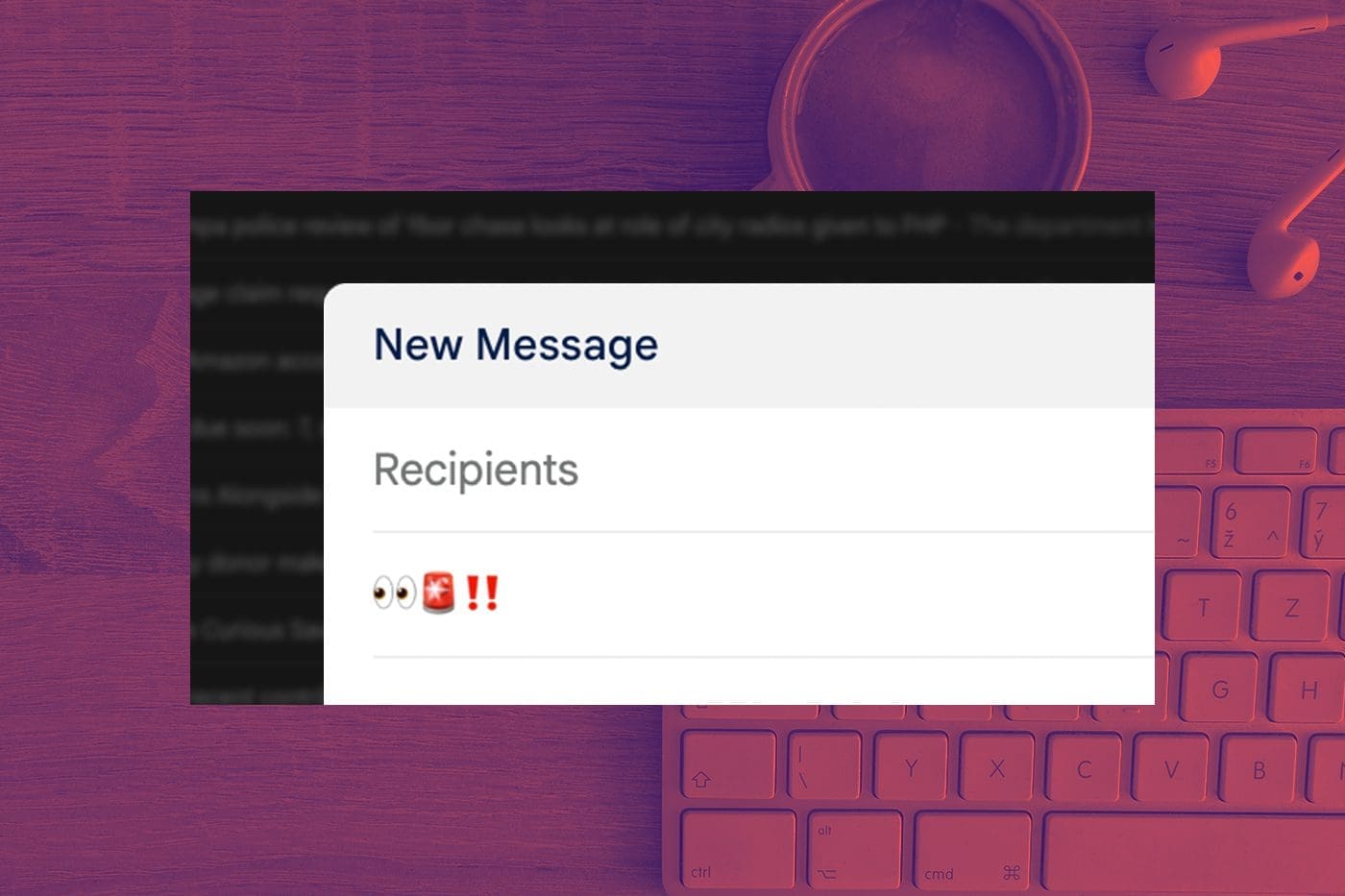
Emojis can boost visibility and sometimes lift open or click-through rates, but only when used sparingly and with intention. They should complement the copywriting, not replace it. Overusing emojis—or using them in ways that feel inappropriate or out of place—can look unprofessional or even trigger spam filters.
If emojis fit your brand voice and feel like authentic personal touches, test them with a small audience segment before rolling them out more broadly.
Should You Personalize Your Subject Lines with the Recipient’s Name?
Using the recipient’s name in the subject line can be a real attention-getter, but it’s best used sparingly.
What Should Be Avoided When Writing Email Subject Lines?
Avoid vague or overly clever phrasing that masks the email’s true content, as well as tactics that create false urgency. Not only do these approaches disappoint readers, but they can also harm your sender reputation. You should also steer clear of excessive exclamation points, writing in all caps, misleading hooks, and words that commonly trigger spam filters. A good subject line sets clear expectations, aligns with your email’s tone, and builds trust over time.
How Can A/B Testing Improve Email Subject Lines?
A/B testing helps you identify which subject lines actually drive opens, clicks, and downstream follow-up actions by letting your audience vote with their behavior. By testing one variable at a time—length, tone, personalization, or CTA framing—you can quickly see what leads to better engagement. These insights compound over time, giving you a data-driven approach to refining your copywriting and making minor but meaningful tweaks that improve performance with every send.
Do Effective Email Subject Lines Increase Open Rates?
Yes, effective subject lines absolutely improve email open rates, but they also influence everything that happens afterward, from engagement to click-through rates to conversions. A good subject line grabs attention, sets the email’s content, and motivates readers to take the next step. By building trust with them over time, your email subscribers become more likely to engage with future messages, respond to your CTAs, and not unsubscribe.